Poultry farming is a crucial part of Kenya’s agriculture, supporting both rural and urban economies. It plays a significant role in the country’s economic growth, contributing nearly 3% to Kenya’s GDP.
The Kenyan poultry industry is made up of various types of operations:
- Small-scale farmers – The majority, with around 3 million farmers
- Commercial enterprises – Running large-scale automated facilities
- Newly emerging mixed farming systems
Types of Poultry Farming in Kenya
The Kenyan poultry sector features distinct farming categories, each serving specific market demands and production goals. Let’s explore the primary types of poultry farming practiced across the country.
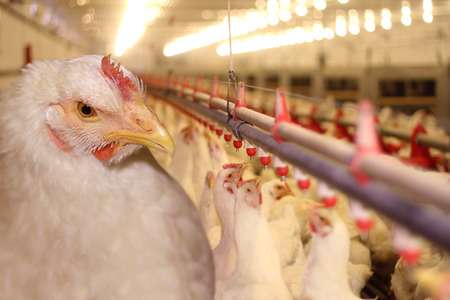
1. Broiler Farming
Broiler farming focuses on raising chickens specifically for meat production. These birds grow rapidly, reaching market weight within 6-8 weeks under optimal conditions.
Key Characteristics of Broiler Farming:
- Fast growth rate
- High feed conversion efficiency
- Tender meat quality
- Intensive management requirements
- Climate-controlled housing needs
Popular Broiler Breeds in Kenya:
- Cobb 500
- Superior feed conversion ratio
- Excellent growth rate
- High breast meat yield
- Adaptable to different climates
- Ross 308
- Robust health traits
- Consistent performance
- Good livability
- Strong skeletal structure
Broiler farming requires specialized management practices, including:
- Precise temperature control
- Strict vaccination schedules
- Regular health monitoring
- Balanced nutrition programs
- Professional biosecurity measures
The success of broiler farming depends heavily on maintaining optimal environmental conditions and implementing proper feeding programs. These birds need specific protein levels at different growth stages to achieve their genetic potential and reach target market weights efficiently.
Lastly, it’s worth noting how Kilimo Livestock Equipments , which is an initiative that could inspire similar support structures within the poultry sector.
2. Layer Farming
Layer farming focuses on raising chickens specifically for egg production. These specialized birds start laying eggs at 18-22 weeks of age and can produce up to 300 eggs annually under optimal conditions.
Popular layer breeds in Kenya include:
Isa Brown
- High egg production capacity (280-300 eggs/year)
- Excellent feed conversion efficiency
- Adaptable to various climate conditions
- Brown egg shells with consistent size
- Docile temperament
Lohmann Brown
- Superior egg laying ability (290-320 eggs/year)
- Strong shell quality
- Early maturity rate
- Disease resistant
- Efficient feed utilization
Layer farming requires specific management practices:
- Controlled lighting schedules to optimize egg production
- Calcium-rich diet supplementation
- Regular collection of eggs
- Proper ventilation systems
- Strict biosecurity measures
The success of layer operations depends on maintaining proper housing conditions, implementing vaccination programs, and providing balanced nutrition. Layer farms typically operate on a batch system, where birds are replaced after their productive cycle ends at around 72-80 weeks of age.
3. Indigenous or Kienyeji Chickens
Indigenous chicken farming represents a significant portion of Kenya’s poultry sector, with KARI Improved Kienyeji chickens leading the way in traditional poultry farming. These birds are specifically bred to thrive in local conditions while maintaining the desirable characteristics of indigenous breeds.
Key features of KARI Improved Kienyeji chickens include:
- Natural disease resistance
- Early maturity (4-5 months)
- Higher egg production (220-280 eggs annually)
- Excellent mothering abilities
- Low feed consumption
- Adaptability to free-range systems
Traditional Kienyeji chickens require minimal investment, making them ideal for small-scale farmers. These birds scavenge for food, reducing feed costs by 60-70%. They produce eggs and meat with distinct flavors that command premium prices in local markets.
The free-range management system allows these birds to:
- Express natural behaviors
- Access diverse food sources
- Maintain strong immune systems
- Produce organic meat and eggs
KARI Improved Kienyeji chickens combine traditional hardiness with enhanced productivity, offering farmers a sustainable and profitable poultry farming option. These birds reach market weight of 1.5-2kg within 5 months and adapt well to both intensive and extensive farming systems.
Categorization of Farmers
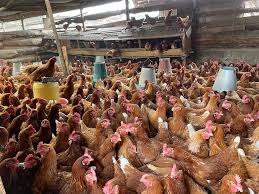
Kenyan poultry farmers fall into three distinct categories based on their flock size:
1. Small-Scale Farmers (1-1,000 birds)
- Represent 75% of Kenya’s poultry farmers
- Often practice mixed farming
- Use basic housing structures
- Limited automation in operations
- Primary focus on local market sales
2. Medium-Scale Farmers (1,001-10,000 birds)
- Semi-automated operations
- Dedicated poultry housing facilities
- Mix of formal and informal market access
- Professional veterinary services
- Structured feeding programs
3. Large-Scale Farmers (10,000+ birds)
- Fully automated systems
- Advanced biosecurity measures
- Contract farming arrangements
- Integrated value chain operations
- Export market participation
- Professional management teams
Each category faces unique challenges and requires different levels of investment. Small-scale farmers typically invest KES 50,000-500,000, medium-scale farmers KES 500,000-5 million, while large-scale operations demand investments exceeding KES 5 million. The scale of operation directly influences market access, technology adoption, and profit margins.
Setting Up a Poultry Farm
Setting up a successful poultry farm requires careful planning and strategic decisions. Here’s what you need:
Costs and Expenses Involved in Poultry Farming
Starting a poultry farm in Kenya requires careful financial planning. Here’s a detailed breakdown of essential expenses:
1. Initial Setup Costs
- Land acquisition or lease: KSH 100,000 – 500,000
- Housing construction: KSH 150,000 – 300,000 per unit
- Equipment (feeders, drinkers, heaters): KSH 50,000 – 100,000
- Initial stock purchase: KSH 100 – 150 per chick
2. Recurring Operational Expenses
- Feed costs (60-70% of total expenses): KSH 3,000 – 4,000 per 70kg bag
- Vaccination and medication: KSH 20 – 30 per bird
- Labor: KSH 10,000 – 15,000 per month
- Utilities (water, electricity): KSH 5,000 – 10,000 monthly
3. Cost Variation Factors in poultry farming
- Farm location and accessibility
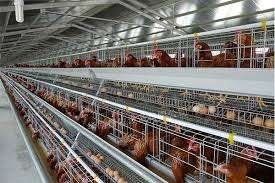
- Type of housing system (deep litter vs battery cage)
- Breed selection
- Market prices for inputs
- Scale of operation
- Season and weather conditions
Your actual costs might vary based on these factors. Small-scale farmers can start with KSH 50,000 – 100,000, while medium-scale operations require KSH 500,000 – 1,000,000. Large-scale commercial farms need investments exceeding KSH 2,000,000.
Tip: Start with a smaller flock size to manage costs effectively while gaining experience in poultry farming.
In addition to these financial considerations, it’s important to understand the economic implications of your decisions in poultry farming. This includes analyzing the market trends and adjusting your business strategy accordingly. Furthermore, exploring alternative farming methods could also provide cost-saving benefits and enhance your overall productivity.
Feeding and Nutrition Management for Healthy Birds
Proper feeding directly impacts your birds’ growth rate, egg production, and disease resistance. A well-balanced diet ensures optimal performance and profitability in your poultry farm.
Essential Feed Components
- Proteins (18-23%)
- Carbohydrates (60-65%)
- Vitamins and minerals (3-5%)
- Clean, fresh water
Age-Specific Feed Requirements
- Day 1-8: Chick starter mash (23% protein)
- Week 2-8: Grower mash (20% protein)
- Week 8+: Layer mash (16-18% protein)
Your birds need specific feed quantities based on their age and purpose. Broilers require 3.5-4kg of feed to reach market weight, while layers consume 110-120g daily during the laying period.
Feed Conversion Ratio (FCR)
FCR measures feed efficiency by calculating the ratio of feed consumed to weight gained:
FCR = Total Feed Consumed ÷ Total Weight Gained
A lower FCR indicates better feed efficiency. Target FCR ranges:
- Broilers: 1.8-2.0
- Layers: 2.0-2.4
Feeding Tips
- Feed birds at consistent times daily
- Clean feeding equipment regularly
- Store feed in cool, dry conditions
- Monitor feed consumption patterns
- Adjust portions based on weather changes
Regular feed quality checks help prevent nutritional deficiencies and maintain healthy growth rates. Track your birds’ weight gain weekly to ensure your feeding program meets production goals.
In addition to proper feeding and nutrition management, exploring innovative agricultural techniques such as tissue culture could also enhance the overall productivity of your farm by providing healthier seedlings for crops like bananas which can be a part of your farm’s diversified produce.
Moreover, it’s essential to understand the impact of nutrition on poultry health beyond just growth rates and production. According to a study published in PMC, improper feeding can lead to various health issues in birds that affect their overall productivity. Therefore, maintaining a balanced diet is crucial not only for growth but also for disease resistance.
Furthermore, the role of diet in influencing the quality of eggs produced by layers cannot be overlooked. As highlighted in another research article, specific nutrients play a vital role in enhancing egg production and quality, making it imperative for poultry farmers to prioritize proper nutrition management.
Common Diseases Affecting Kenyan Poultry Farms and Their Prevention Strategies
Disease management is a critical aspect of successful poultry farming in Kenya. Understanding common diseases and implementing effective prevention strategies helps maintain healthy flocks and maximize profitability.
Major Diseases in Kenyan Poultry Farms:
- Newcastle Disease: Causes respiratory distress and nervous system problems, resulting in high mortality rates and spreading rapidly through infected birds.
- Gumboro Disease: Attacks the immune system, primarily affects young birds, and shows symptoms like diarrhea and depression.
- Fowl Typhoid: Bacterial infection affecting all ages, causes decreased egg production, and shows symptoms including lethargy and pale combs.
Prevention and Control Measures:
- Vaccination Programs:
- Follow strict vaccination schedules
- Use quality vaccines from registered suppliers
- Keep accurate vaccination records
- Biosecurity Practices:
- Install footbaths at entry points
- Restrict visitor access to poultry houses
- Use protective clothing when handling birds
- Clean and disinfect equipment regularly
- Health Monitoring:
- Daily observation of birds
- Regular consultation with veterinary professionals
- Proper disposal of dead birds
It’s worth noting that similar disease management strategies can be applied across various types of livestock farming. This highlights the universal importance of understanding disease dynamics in agriculture. Additionally, veterinary practices play a vital role in ensuring the health of not just poultry but also other livestock, thereby contributing to overall farm productivity.
Challenges Faced by Poultry Farmers and How to Overcome Them
Poultry farmers in Kenya face significant challenges that impact their operations and profitability. Here’s a detailed look at these obstacles and practical solutions:
1. High Feed Costs
- Feed expenses consume 60-70% of production costs
- Rising prices of raw materials like maize and soya
Solution: Consider alternative feed sources like insects or develop on-farm feed mixing
2. Market Access Issues
- Competition from cheaper imports
- Price instability in local markets
Solution: Form farmer cooperatives for better bargaining power and market reach
3. Financial Constraints
- Limited access to credit facilities
- High interest rates on loans
Solution: Explore microfinance options and government support programs
4. Infrastructure Deficits
- Poor storage facilities
- Inadequate transportation systems
Solution: Invest in cold storage solutions and partner with reliable transport services
5. Government Policy Challenges
- High taxes on inputs
- Inconsistent import restrictions
Solution: Join poultry farmer associations to advocate for favorable policies
6. Climate Change Effects
- Unpredictable weather patterns
- Heat stress affecting bird productivity
Solution: Install climate control systems and proper ventilation in poultry houses
7. Counterfeit Products
- Fake vaccines and medications
- Substandard feeds in the market
Solution: Purchase supplies from certified dealers and maintain relationships with trusted suppliers
In addition, exploring pomegranate farming in Kenya could provide an alternative source of income for poultry farmers facing these challenges. This diversification can help mitigate some of the risks associated with poultry farming. Moreover, understanding the economic impact of quality seedlings on smallholder incomes can further emphasize the importance of investing in high-quality agricultural inputs, which can ultimately lead to improved profitability.
Opportunities for Growth Within the Kenyan Poultry Sector
The Kenyan poultry sector presents lucrative growth opportunities for both new and established farmers. The rising urban population has created a surge in demand for poultry products, particularly in major cities like Nairobi, Mombasa, and Kisumu.
Key Growth Areas:
1. Urban Market Expansion
- Rising middle-class population
- Increased preference for protein-rich diets
- Growing restaurant and hotel industry demand
2. Export Opportunities
- East African Community (EAC) market access
- Cross-border trade with Uganda, Tanzania, and Rwanda
- Value-added products for international markets
3. Value Addition Ventures
- Chicken sausages and nuggets production
- Egg powder manufacturing
- Organic poultry products
4. Technology Integration
- Automated feeding systems
- Smart monitoring solutions
- Digital marketing platforms
5. Premium Market Segments
- Organic chicken farming
- Free-range egg production
- Specialty breed cultivation
The organic poultry market offers premium pricing opportunities, with consumers willing to pay up to 30% more for organic products. Farmers can tap into this market by obtaining organic certification and implementing sustainable farming practices.
Digital platforms have opened new direct-to-consumer channels, allowing farmers to bypass traditional intermediaries and increase their profit margins. Mobile apps and social media platforms serve as effective marketing tools to reach urban customers.
Key Success Factors For Running A Successful Poultry Farm In Kenya
Success in poultry farming requires a strategic approach and attention to critical factors. Here are the essential elements that drive profitable poultry operations in Kenya:
1. Market Research and Planning
- Study local market demands and pricing trends
- Identify potential customers and competitors
- Develop a clear business plan with realistic goals
2. Quality Investment
- Purchase high-quality breeds suited to your farming goals
- Source reliable feed suppliers
- Install appropriate housing and equipment
- Consider exploring what makes a good nursery for sourcing quality poultry breeds or even expanding into other agricultural sectors like avocado farming.
3. Smart Growth Strategy
- Start with a manageable flock size
- Scale operations based on experience and market demand
- Reinvest profits into farm expansion
4. Strong Relationships
- Build partnerships with reliable suppliers
- Establish direct connections with customers
- Join local farming cooperatives
5. Best Practices Implementation
- Maintain strict biosecurity measures
- Keep detailed records of operations
- Practice proper waste management
6. Technology Integration
- Use automated feeding systems
- Implement digital record-keeping
- Monitor environmental controls
7. Continuous Learning
- Attend agricultural training programs
- Stay updated on industry trends
- Learn from experienced farmers
8. Animal Welfare Focus
- Provide proper spacing and ventilation
- Maintain clean living conditions
- Implement regular health checks
These factors create a foundation for sustainable poultry farming success in Kenya’s competitive market. However, it’s also worth noting that the principles of successful farming can extend beyond poultry.
FAQs (Frequently Asked Questions)
What are the main types of poultry farming practiced in Kenya?
The main types of poultry farming in Kenya include broiler farming, layer farming, and indigenous or Kienyeji chicken farming. Broiler farming focuses on meat production with breeds like Cobb 500 and Ross 308, while layer farming is for egg production using breeds such as Isa Brown and Lohmann Brown. Indigenous chicken farming involves local breeds like the KARI Improved Kienyeji chicken.
How do I set up a successful poultry farm in Kenya?
Setting up a successful poultry farm in Kenya involves selecting an appropriate location, choosing suitable breeds based on your goals (broilers, layers, or indigenous chickens), constructing proper housing to ensure bird welfare, obtaining necessary permits, and planning for feeding and nutrition management. Additionally, understanding costs, disease prevention strategies, and market research are crucial for success.
What are the common diseases affecting poultry farms in Kenya and how can they be prevented?
Common diseases affecting Kenyan poultry farms include Newcastle Disease among others. Prevention strategies involve strict biosecurity measures such as controlling access to the farm, regular vaccination programs, maintaining cleanliness, and monitoring bird health closely to reduce disease outbreaks and ensure optimal production.
What challenges do poultry farmers in Kenya face and how can they overcome them?
Poultry farmers in Kenya face challenges such as high feed costs, difficulties accessing markets, disease outbreaks, and fluctuating prices. Overcoming these challenges requires adopting efficient feeding practices to reduce costs, improving biosecurity to prevent diseases, diversifying products to meet market demand, building strong supplier and customer relationships, and continuous education on best farming practices.
What are the opportunities for growth within the Kenyan poultry sector?
The Kenyan poultry sector offers growth opportunities including increasing urban demand for poultry products such as meat and eggs, potential for export within East Africa, adoption of modern technologies to improve efficiency, product diversification, and expanding small-scale farms into medium or large-scale operations to increase profitability.
What are the key success factors for running a profitable poultry farm in Kenya?
Key success factors include conducting thorough market research before starting operations, investing in quality inputs like healthy chicks and nutritious feed, diversifying products to cater to different markets, building strong relationships with suppliers and customers, continuous learning about best practices in poultry management, utilizing modern technology to reduce labor costs, focusing on animal welfare, and starting small before scaling up gradually.