Effects of Technology on Poultry Farming in Kenya
Poultry farming is one of the fastest-growing agricultural sectors in Kenya. Over the years, the industry has evolved from small backyard chicken rearing to more organized and commercial poultry production. One of the key drivers of this transformation is technology. Modern innovations have significantly improved productivity, efficiency, and profitability for poultry farmers across the country. Today, many Kenyan farmers are adopting digital tools, automated systems, and improved farming techniques to enhance poultry farming operations.
Increased Efficiency in Poultry Farming
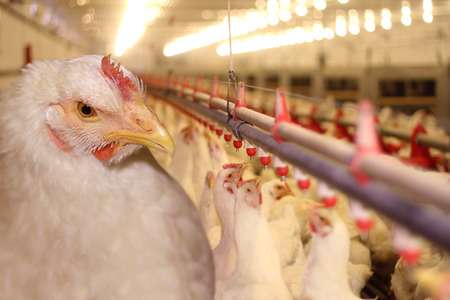
Technology has greatly improved efficiency in poultry farming in Kenya. Modern poultry houses are now equipped with automated feeding and watering systems that ensure birds receive the right amount of food and water at the right time. These systems reduce labor costs and minimize wastage. Farmers can also monitor feed consumption and adjust feeding schedules to maximize growth and egg production.
Poultry Farming Improved Disease Control and Monitoring
Disease outbreaks have always been a major challenge for poultry farmers in Kenya. However, technology has made disease management much easier and more effective. Farmers now use digital monitoring tools, mobile applications, and veterinary diagnostic equipment to detect diseases early.
With the help of modern vaccines, biosecurity technologies, and improved sanitation systems, poultry farmers can reduce the spread Early detection and quick response help prevent massive losses and protect poultry investments.
Poultry Farming Better Breeding and Genetics
Advancements in poultry genetics and breeding technologies have significantly improved poultry production in Kenya. Farmers now have access to high-quality breeds that grow faster, produce more eggs, and are more resistant to diseases.
Hatchery technology has also improved the incubation process. Modern incubators can control temperature, humidity, and egg turning automatically, increasing hatch rates and producing stronger chicks. This has made poultry farming more reliable and predictable for farmers.
Access to Information Through Digital Platforms
The internet and mobile technology have made it easier for poultry farmers to access important farming information. Many Kenyan farmers now use smartphones to learn about poultry management, feeding practices, disease control, and market trends.
Online training programs, agricultural websites, and social media platforms allow farmers to share knowledge and learn new techniques. Farmers can also connect with suppliers, veterinarians, and buyers through digital platforms, improving communication and business opportunities.
Improved Marketing and Sales
Technology has also transformed how poultry farmers market and sell their products. Digital marketplaces, mobile payment systems, and online advertising have made it easier for farmers to reach customers directly.
Farmers can now sell eggs, chickens, and poultry products through online platforms and receive payments through mobile money services. This reduces dependence on middlemen and increases profits for farmers.
Data-Driven Poultry Management
Modern poultry farming increasingly relies on data to improve decision-making. Farmers can now use farm management software to track production records, feed usage, mortality rates, and egg production.
This data helps farmers identify problems early and improve farm management strategies. By analyzing farm data, poultry farmers in Kenya can increase productivity and reduce operational costs.
Conclusion
Technology is transforming poultry farming in Kenya by improving efficiency, productivity, and profitability. From automated feeding systems to digital marketing platforms, modern innovations are helping farmers overcome traditional challenges in the poultry industry. As more farmers adopt these technologies, the future of poultry farming in Kenya looks promising. Embracing technological advancements will not only increase poultry production but also strengthen food security and economic growth in the country.
As technology continues to evolve, Kenyan poultry farmers who adopt modern farming tools and digital solutions will be better positioned to compete in the growing agricultural market.
Poultry Farming