

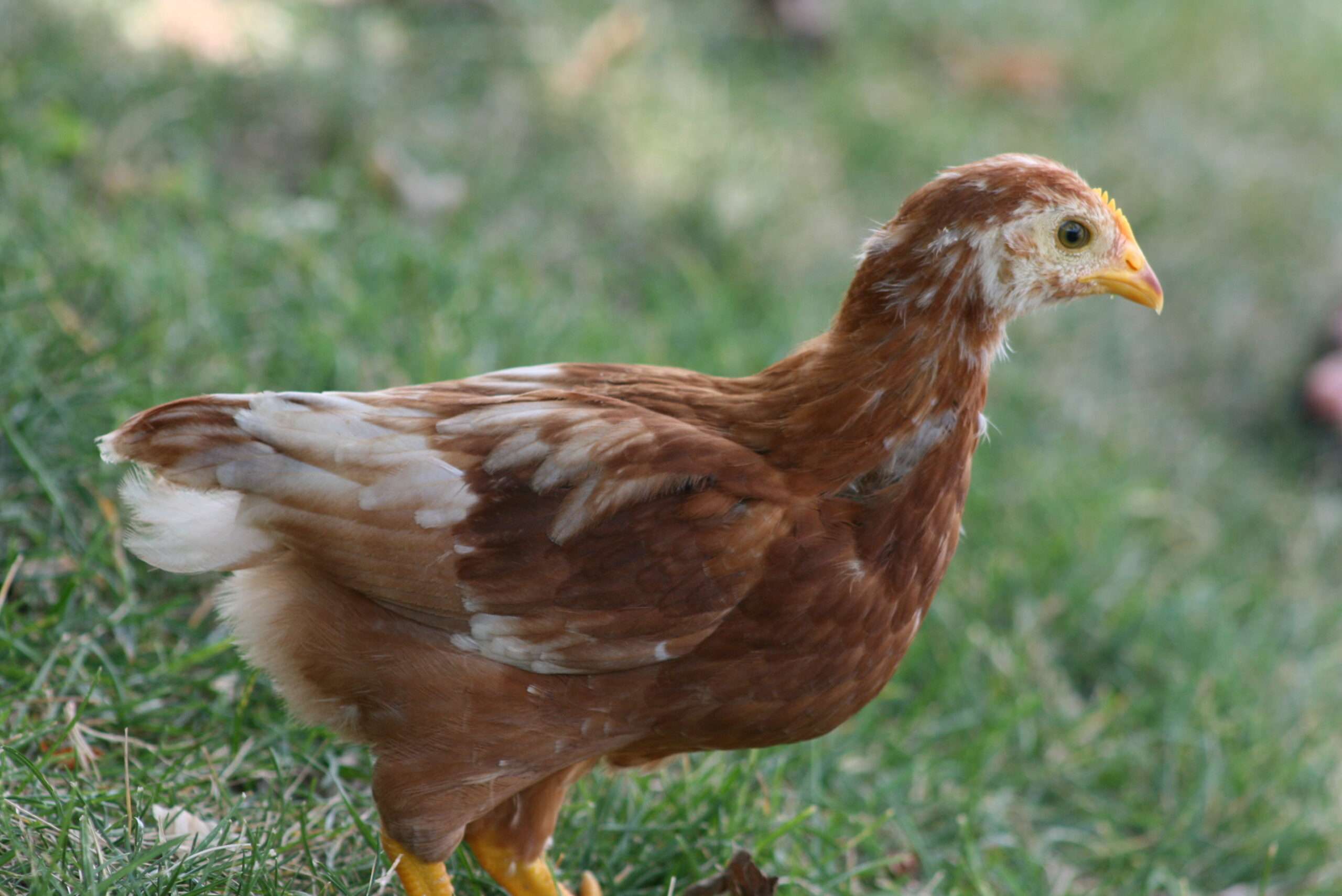
4 Week Old Chicks – Complete Care Guide for Healthy Growth
At 4 weeks old, chicks are entering an important stage of development. They are no longer fragile newborns, but they are not fully mature either. During this period, 4 week old chicks begin developing more defined feathers, increased independence, and stronger immune systems. Proper care, nutrition, and housing are essential to ensure they grow into healthy adult chickens.
Growth and Physical Development
By four weeks, chicks have lost most of their fluffy down and are replacing it with juvenile feathers. Their wings and tail feathers are more visible, and some breeds may even begin to show early signs of comb development. They are more active, curious, and confident compared to younger chicks.
Key physical characteristics of 4 week old chicks:
-
Growing wing and tail feathers
-
Reduced fluffy down
-
Increased body size and weight
-
Stronger legs and improved balance
-
More active scratching and pecking behavior
Feeding Requirements
At this stage, chicks should still be on a starter feed containing 18–20% protein. This high-protein diet supports muscle growth and feather development. Fresh, clean water must always be available. You can also introduce small amounts of chick grit if offering treats like finely chopped greens.
Avoid switching to grower feed too early. Starter feed is crucial until they reach about 6–8 weeks of age.
Brooder Temperature and Housing
By four weeks, chicks can tolerate lower temperatures. The brooder temperature can be reduced to around 75°F (24°C), depending on your climate. In warmer regions, they may no longer need supplemental heat during the day.
Ensure their housing includes:
-
Adequate ventilation
-
Clean, dry bedding
-
Enough space (at least 1–2 square feet per chick)
-
Protection from predators
If the weather is mild, you may begin short, supervised outdoor visits to help them adapt to natural conditions.
Social Behavior and Health
Four week old chicks become more social and may begin establishing a pecking order. This behavior is normal, but monitor for excessive bullying. Regularly check for signs of illness such as lethargy, diarrhea, or poor feather growth.
Maintaining cleanliness in feeders, waterers, and bedding reduces the risk of disease and promotes strong development. For more information, CLICK HERE


Reviews
There are no reviews yet.